Home / Blog
Vehicle owners looking for long-lasting paint protection often compare Ceramic Coating and Graphene Coating. Both technologies offer significant benefits, including enhanced gloss, easier maintenance, and protection from environmental contaminants. Understanding their differences can help you choose the best option for your vehicle.
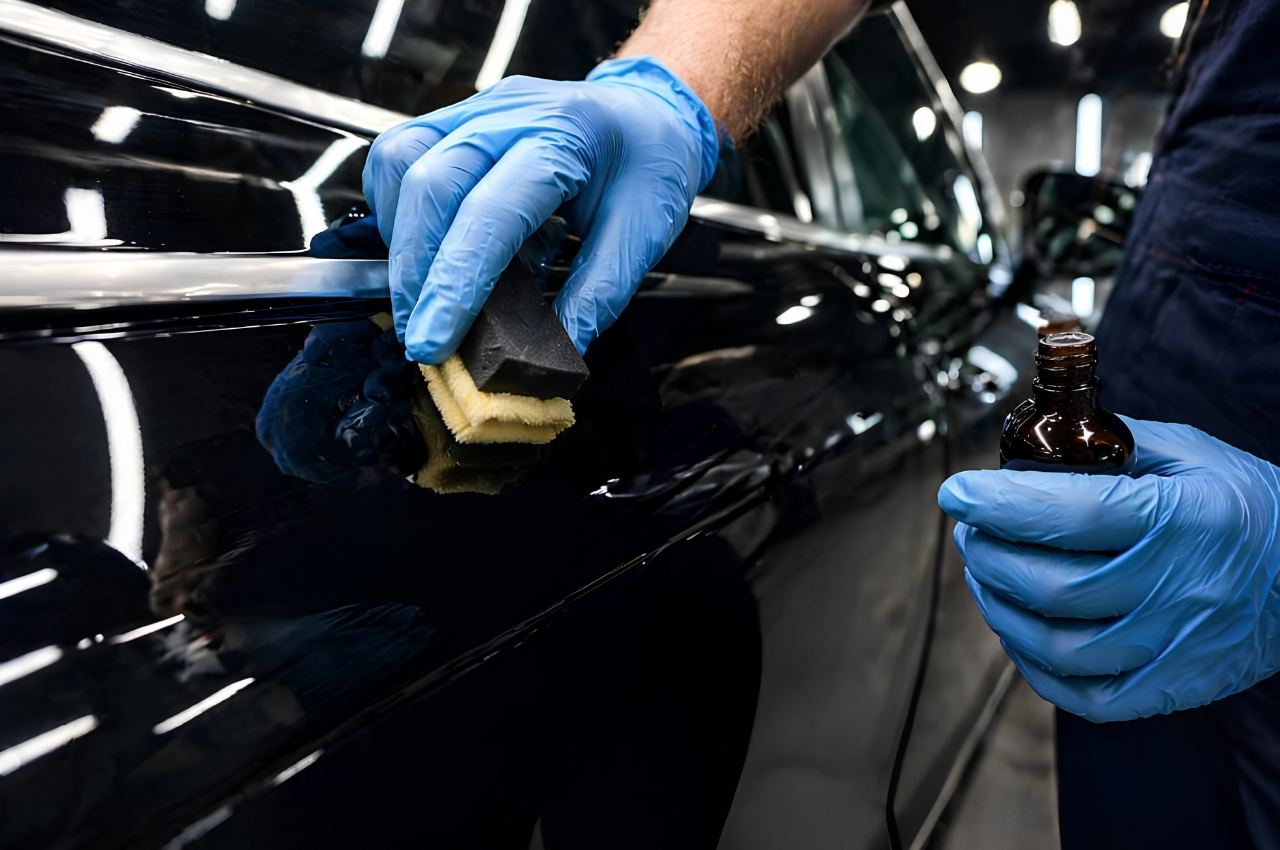
Ceramic coating is a liquid polymer that bonds to the vehicle’s paint surface, creating a protective layer. It provides excellent hydrophobic properties, UV resistance, and a deep glossy finish. Ceramic coatings are ideal for daily drivers seeking reliable protection and easier maintenance.
Graphene coating is a newer technology that builds upon the benefits of ceramic coatings. It offers improved heat resistance, enhanced durability, and anti-static properties that help reduce dust accumulation. Graphene coatings are particularly effective in hot climates such as the UAE.
While ceramic coatings provide excellent protection, graphene coatings generally offer greater longevity and resistance to environmental factors. Graphene’s advanced structure allows it to perform exceptionally well under extreme temperatures and harsh conditions.
Ceramic coating is an excellent choice for vehicle owners seeking strong protection and gloss at a practical investment level. Graphene coating is better suited for those looking for premium durability, enhanced heat resistance, and maximum long-term performance.
Both Ceramic and Graphene Coatings provide valuable protection and appearance enhancement. The right choice depends on your vehicle, driving conditions, and protection goals. Investing in either solution helps preserve your vehicle’s finish while keeping it looking newer for longer.
© 2026 MagShield. All Rights Reserved. Designed by SignOwn Technologies.
© 2026 MagShield. All Rights Reserved.
Designed by SignOwn Technologies.